
A Piratey Blog about History, Music, Comic Books, Movies, TV, Books, and Most Importantly Toy Soldiers!
Showing posts with label Pirate History. Show all posts
Showing posts with label Pirate History. Show all posts
Wednesday, 12 May 2021

Saturday, 30 May 2020
Iconic Ships from Pirates of the Caribbean Movie Series
If you ever fancied modelling the Iconic Ships from Pirates of the Caribbean and wondered where to start, FEAR NOT - I Captain Blackwood am here to help!!! (OK, its me really - sorry, got carried away there).
In this post, I'll cover the Ships from the Pirates of the Caribbean Movie series - and indicate either what real-world ships they are based on, or give you the inspiration for them!

The Dying Gull

Starting with the most recent first, the latest ship to be introduced into the timeline of the Pirates of the Caribbean is the Dying Gull! Seen in the Pirates Of The Caribbean: Dead Men Tell No Tales - the Dying Gull is designed after a single-masted sloop class and is portrayed by the Rainbow Gypsy which is a Scottish trawler. This Dying Gull features eight gunports, one swivel gun, and no visible cannons.


In this post, I'll cover the Ships from the Pirates of the Caribbean Movie series - and indicate either what real-world ships they are based on, or give you the inspiration for them!

The Dying Gull

Starting with the most recent first, the latest ship to be introduced into the timeline of the Pirates of the Caribbean is the Dying Gull! Seen in the Pirates Of The Caribbean: Dead Men Tell No Tales - the Dying Gull is designed after a single-masted sloop class and is portrayed by the Rainbow Gypsy which is a Scottish trawler. This Dying Gull features eight gunports, one swivel gun, and no visible cannons.
The HMS Interceptor

Pictured is the Ship "The Lady Washington" before it was repainted and dressed for the Movie.
Appearing in the very first installment of the Pirates Of The Caribbean Movie Series, the HMS Interceptor was a brig in the Royal Navy serving His Majesty King George II. This brig was believed to be the fastest vessel commissioned by the Monarch. In reality, the HMS Interceptor is portrayed by a replica of the Lady Washington ship which a Brig that sailed the waters of the Caribbean through the island of Saint Vincent during the latter half of the 18th century.
The Queen Anne's Revenge

This ship appeared in Pirates Of The Caribbean: On Stranger Tides is based on the nonfictional merchant sailing vessel which was launched from England in 1710 and was named the Concord. A year after the ship's launch, it was captured by the French and used as a slave ship. In 1717, near the island of Martinique, that the ship was captured and used as a vessel by pirates. By 1718, the notorious (real) pirate, Edward Teach, or better known as Blackbeard, captured the ship and ran it aground at Beaufort Inlet, North Carolina. The Queen Anne's Revenge in the Pirates of the Caribbean franchise is a modified Frigate.
The Flying Dutchman

The Flying Dutchman is one of the most notable fictional ships in the whole of the Pirates Of The Caribbean series. It is a combination of a galleon and fluyt ship which is a Dutch sailing vessel that is originally designed as a cargo vessel. One of the inspirations for the Flying Dutchman's look is the 17th-century real-life Swedish warship called the Vasa (you can read about my post about the Vasa here - https://keelhauling-4-fun-and-profit.blogspot.com/2020/05/the-vasa-almost-perfectly-preserved.html). This ghost ship was also inspired by the legend story of the ship with the same name or De Vliegende Hollander in Dutch. Although considered as 17th-century nautical folklore, many notable people in the 20th Century have reported sightings of the Flying Dutchman.
The Black Pearl

The ship that features the most is Captain Jack Sparrow's, Black Pearl. From the film's background, the Black Pearl was originally a merchant vessel that belonged to the East India Trading Company that was hijacked by Sparrow. Originally called "The Wicked Wench" it is an odd hybrid of a galleon and an East Indiaman.
Sunday, 24 May 2020
THE VASA - AN ALMOST PERFECTLY PRESERVED 17th CENTURY WARSHIP!

The Vasa Warship can be found at the Vasa Museum in Stockholm, Sweden. The ship when built (in 1626) was the most "hi-tech" design when it set sail, unfortunately it sunk in 1628.

It’s believed that the Vasa sank because the gun deck was simply too heavy, and apparently this mistake was the result of it being designed and built by someone with no experience building such a well-armed ship.

It’s so well preserved that it provides a glimpse of life at sea during the 1600’s almost never seen.

The ship was preserved because it sunk in the harbor where it was docked to shelter it from storms.

The ship was moved to the museum in Stockholm in 1988.


Wednesday, 13 May 2020
Interesting Facts About Pirates
I've not done much today except read - Insomnia is a Bitch, but when It kicks your ass as hard as its been kicking mine the last couple of days barring a few Chores around the house, I've not gotten much done at all today.
I know with the tiredness Headache I get when I lose this much sleep - I shouldn't really read, but I'm afraid the lure of the High Seas in the late 17th Century and Early 18th Century is always too much for me.
So, rather than not Blog anything today - the Sea Gods know I'm too tired and sore to be imaginative. I thought I'd post some interesting Facts about our favourite Larcenous Seafarers!

I would imagine that everyone who is a Pirate fan knows the English word “pirate” is derived from the Latin term “pirata” which means sailor or sea robber! But it is also from the Greek word “peirates” which literally means “one who attacks ships” . . . .
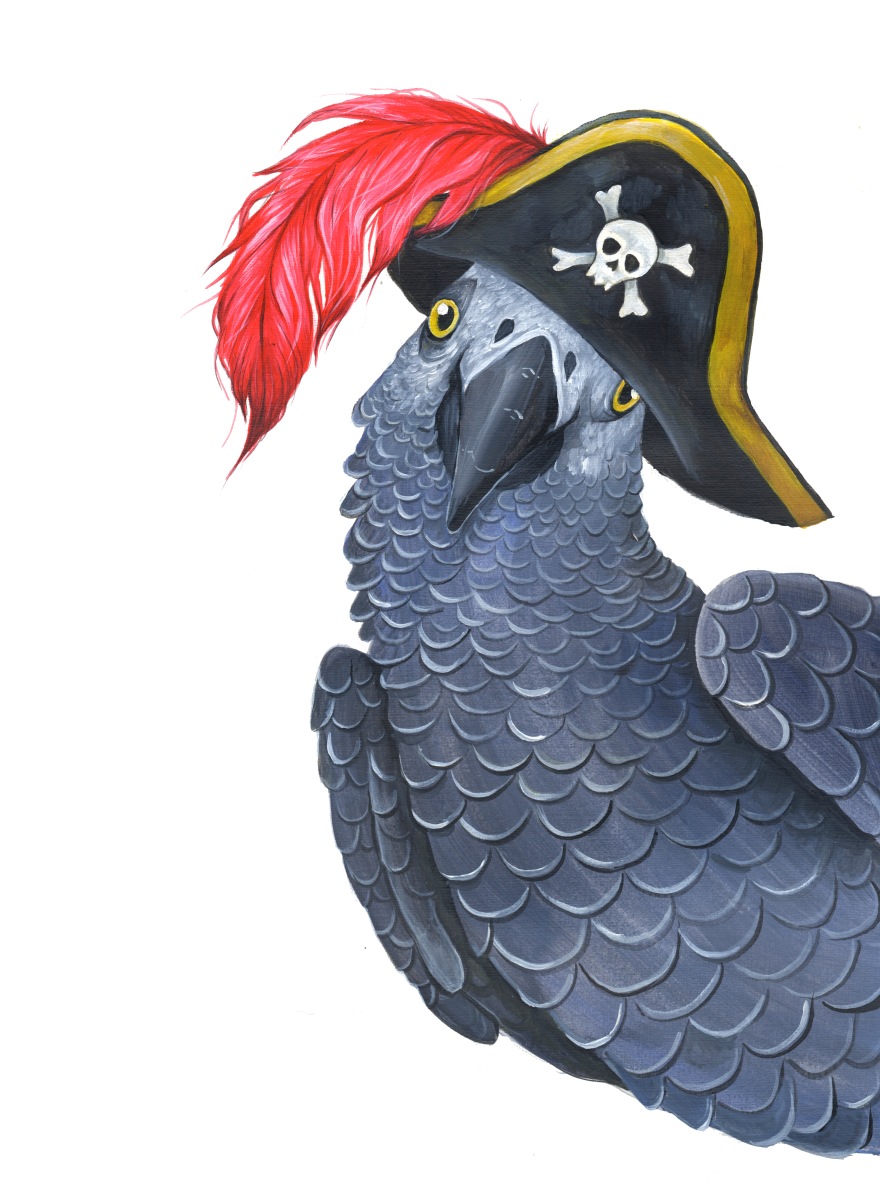
The spelling of “Pirate” wasn’t standardized until the eighteenth centuries and “pirrot”, “pyrate”, and “pyrat”, were commonly used until then.

Pirates actually preferred not to kill many people aboard the ships they captured, the logic behind this was simple - if the ship surrendered, they generally killed no one. They would board the enemy ship, steal all the goods they could carry, and leave the crew alive (presumably to tell the tale of their ordeal). If it became known that pirates took no prisoners, victims would be more likely to fight to the last breath, making claiming their prize more difficult.
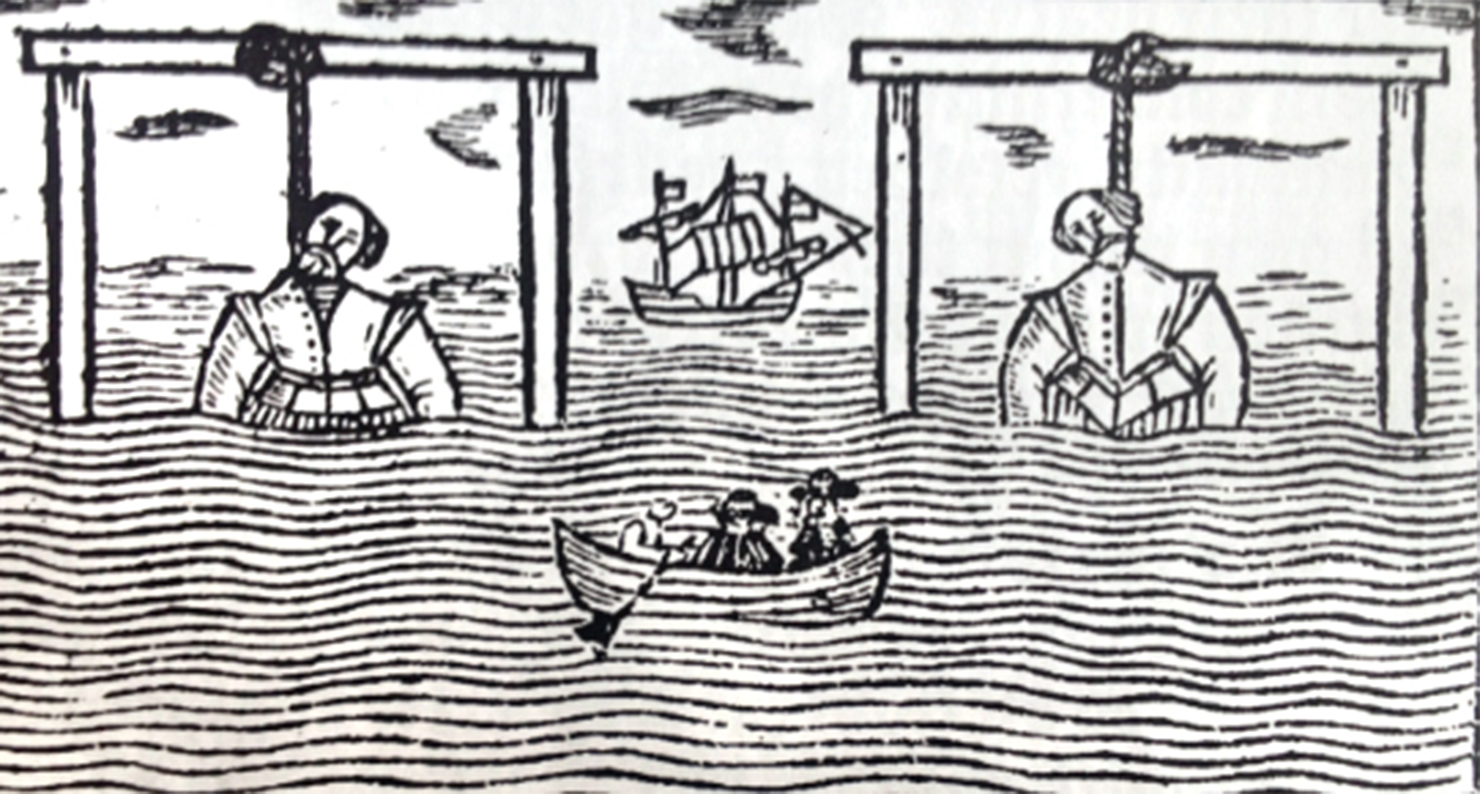
In 1241, an English pirate named William Maurice was the first person known to have been hanged, drawn, and quartered - showing to the world how much the then-King Henry III viewed the crime of piracy.

The Mediterranean was once a playground for pirates. New discoveries about 16th-century pirates reveal what private sailors had to do to protect themselves. The Mediterranean waters along Israel's coast were once so infested with pirates that merchant ships felt the need to arm themselves for protection.
Even though the Atlantic and Caribbean pirates were heavily romanticized, Mediterranean Pirates equaled or outnumbered them at any given point in history.

Pirate communities operated as limited democracies, instituting a system of checks and balances similar to the one used by many present-day Democratic Countries around the World.
The Pirate Council (the term used to referred to the members of the Pirate crew) was responsible for removing officers from their positions, and then choosing new candidates to fill those positions.
They even had a health care system - each Pirate Ship made provisions for certain injuries and their monetary worth. For example, the loss of a right arm was worth six hundred pieces of eight, while a left arm was worth five hundred pieces of eight. The funds for these types of compensations were taken from a common pool of money, which remained as a portion of the booty captured on their expeditions.
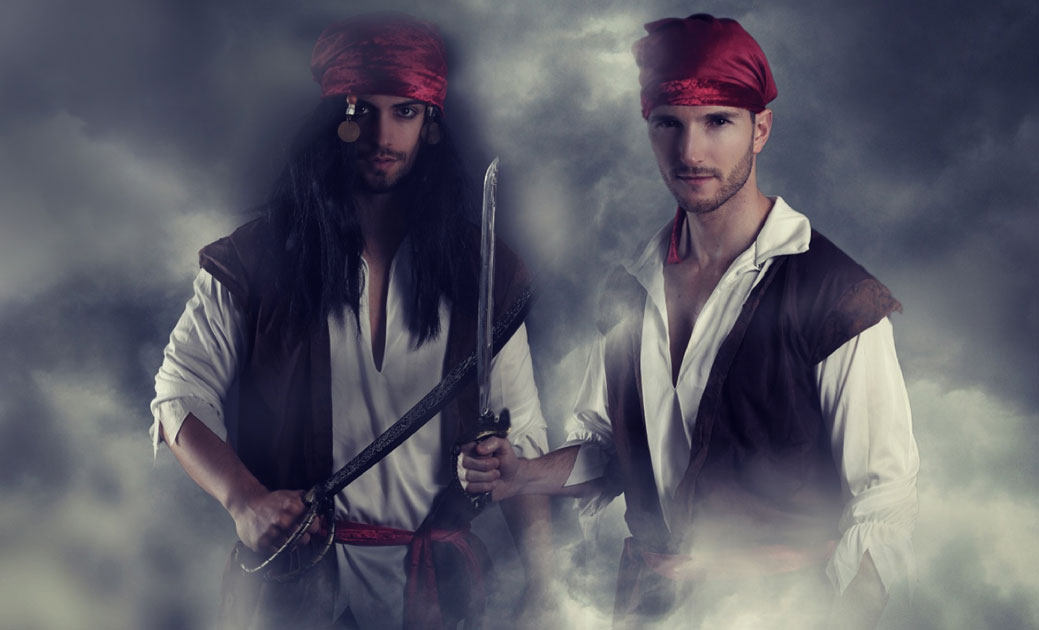
Pirates are known for eye patches, walking the plank, and collecting booty, but there are more pirate traditions than you might be aware of, like the fact that same-sex relationships were common among the Pirates of the Caribbean. “Matelotage” was a gay marriage of sorts practiced by male pirates from the 17th century. Some of the most successful pirates had relationships with other men as a means of companionship and protection. Having a mate was both a personal and professional arrangement for a pirate - and the word 'Mate' itself is probably a holdover from the institution of Matelotage.

And with that revelation, I'm off to try and sleep - Nite Shipmates!

Saturday, 9 May 2020
The Difference between a Cutlass and a Sabre
Interesting YouTube Video - on the Difference between a Cutlass and a Sabre.
The answer may surprise you ;)
The answer may surprise you ;)
Subscribe to:
Posts (Atom)